
Hidden Damage

How Acids, Airway Issues, and Health Conditions Impact Your Teeth
While many people associate dental damage with cavities alone, some of the most significant threats to our teeth come from less obvious sources, acid exposure, systemic health conditions, and sleep-related breathing disorders.
Acid is one of the primary culprits in tooth wear. Frequent consumption of acidic foods and beverages, such as soda, wine, citrus, and sports drinks, can gradually dissolve enamel, the protective outer layer of the teeth. Even more concerning is internal acid exposure from conditions like acid reflux. Often occurring during sleep, this silent process repeatedly bathes teeth in stomach acid, leading to accelerated erosion, thinning enamel, and increased sensitivity.
Beyond chemical wear, mechanical forces also play a major role. Teeth that appear worn, flattened, or chipped are often the result of bruxism—chronic grinding or clenching. This condition may be related to stress, but it is also frequently associated with airway compromise during sleep.
Sleep apnea, in particular, has emerged as a significant contributor to dental breakdown. When the airway becomes restricted, the body responds by activating jaw muscles in an effort to reopen it. This repeated clenching places excessive pressure on the teeth, leading to fractures, mobility, and long-term structural damage.
Importantly, these issues rarely occur in isolation. Many patients present with a combination of acid erosion, grinding, and bite instability, all of which compound over time. Without proper diagnosis, treatment may only address symptoms rather than the underlying cause.
Comprehensive dentistry today focuses on identifying these root factors early—and offering solutions tailored to each patient. Dental sleep appliances are available to help manage sleep apnea and reduce the damaging forces of nighttime grinding. For patients who have already experienced significant enamel loss, worn teeth can be predictably rebuilt using porcelain veneers and crowns, restoring both strength and aesthetics.
Equally important is addressing the lifestyle and health factors contributing to the damage. Diet plays a critical role, and many patients are unaware that daily habits are slowly breaking down their teeth. In some cases, collaboration with medical or mental health professionals is necessary to identify and manage underlying conditions such as reflux, stress, eating, or sleep disorders before restorative treatment is completed.
Your teeth are constantly responding to what is happening in your body. Recognizing and treating these hidden sources of damage not only protects your smile—but supports your overall health for years to come.
About the Author:
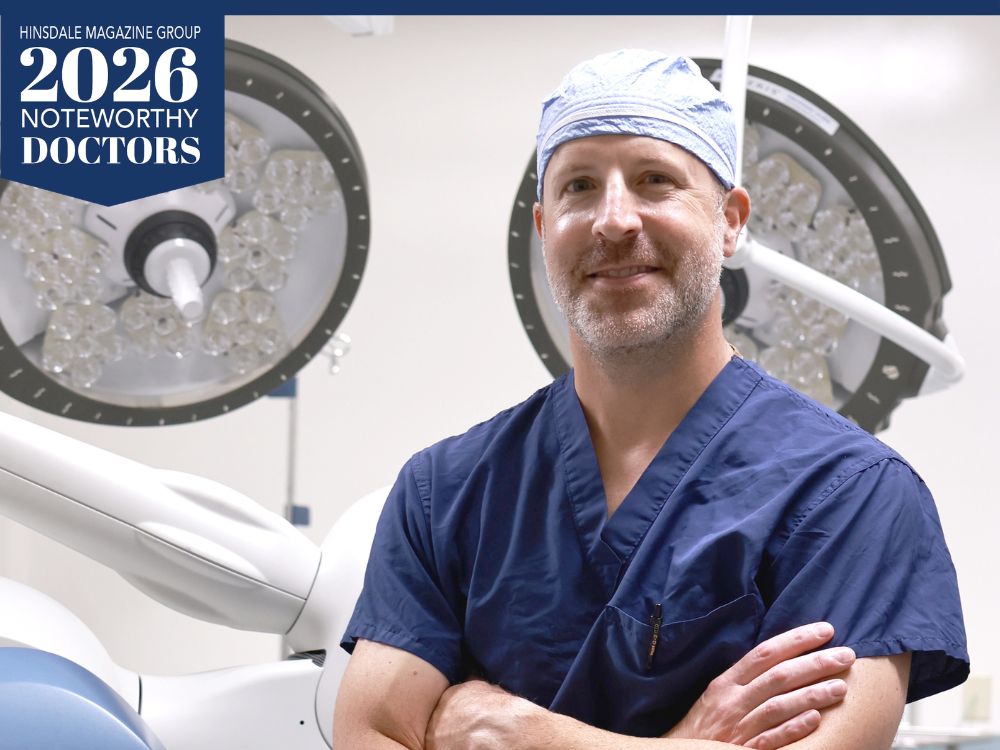
 Jeffrey Weller, DDS, founder of Weller Dental, is a cosmetic and restorative dentist.
Weller Dental
920 N. York Rd., Suite 310
Hinsdale, Illinois
630-654-2900
wellerdental.com